

Settling into Portugal: A Practical Guide to Your First Months in the Minho
By
Clare
/ 5 October 2026
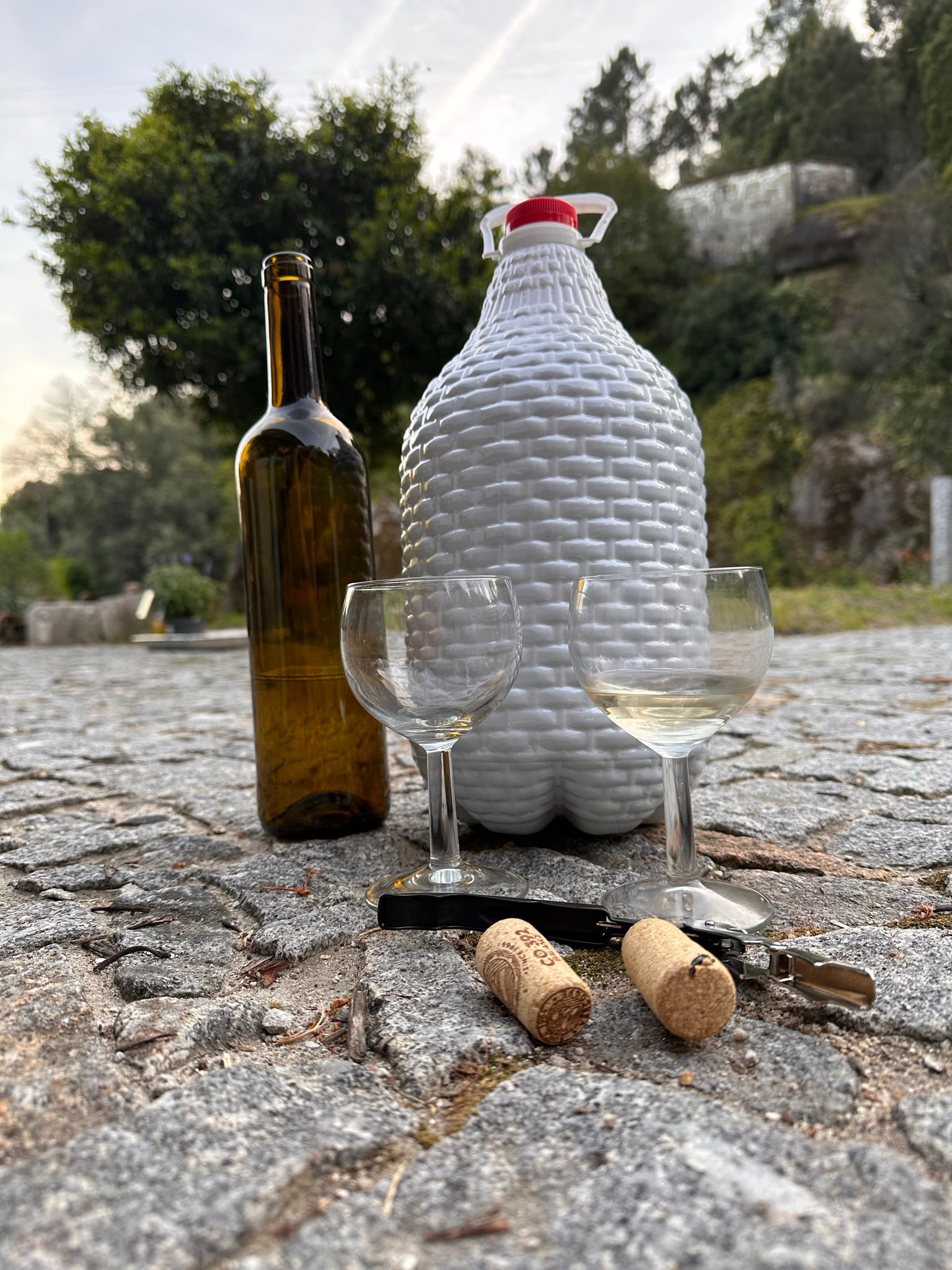
Moving to Portugal, or spending more of the year in your holiday home here, is exciting. It can also feel a little overwhelming at first: new paperwork, a new language, new routines. I’ve been through it myself, so here is the guide I wish I’d had in my first few months in the Minho.
At a glance
- Get your NIF (tax number) first
- Open a Portuguese bank account
- Sort out residency and your health centre
- Set up utilities, internet and post
- Get to know the Minho seasons
- Learn a little Portuguese
- Slow down and join in
1. Get your NIF first
Your NIF (Número de Identificação Fiscal) is your Portuguese tax number, and you’ll need it for almost everything: opening a bank account, signing a rental contract, setting up electricity and internet, even buying a SIM card. You can get one at your local Finanças office. Some people, depending on where they live, also need a fiscal representative, so check what applies to you.
2. Open a Portuguese bank account
Paying bills by direct debit from a local account makes life much easier, and some utility companies prefer it. Bring your passport, your NIF and proof of address.
3. Sort out residency and healthcare
If you’re staying for longer than three months, you’ll need to look into residency. The process is different for EU and non-EU citizens, and the rules do change, so always check the latest information on the official ePortugal website. Once you’re resident, you can register at your local Centro de Saúde (health centre) for your utente number.
4. Utilities, internet and the post
Electricity, water, gas bottles, internet: each has its own company and its own paperwork, and the timing can be slower than you’re used to. Post is often delivered to a box at the end of the road rather than your door, so make sure yours is clearly labelled.
5. Understand the seasons
The Minho is green for a reason. Summers are warm and beautiful, but winters can be cool, wet and humid. Damp and mould are the most common problems in homes left empty for a while, so good ventilation, dehumidifiers and regular checks make a big difference. In spring, landowners are also expected to clear vegetation around their homes to reduce fire risk, so keep an eye on the local deadlines.
🌿 Olive tip
If your home sits empty for weeks at a time, a monthly check catches damp, leaks and storm damage before they become expensive repairs. A small €50 leak, left unnoticed, can become a €1,000 repair within a couple of months.
6. Learn a little Portuguese
You don’t need to be fluent, but a few words go a long way: bom dia, obrigado/obrigada, com licença. People in the north are warm and patient, and they really appreciate the effort. The local accent takes a little getting used to, so don’t worry if it feels hard at first.
7. Slow down and get involved
Shops may close for lunch. Conversations take longer. Plans are flexible. It’s all part of the charm. Say yes to the village festa, buy from the weekly market and get to know your neighbours. They’ll often be your best source of local knowledge.
A friendly face when you need one
Settling in is easier with someone local on your side. Whether you need help with deliveries and appointments, someone to meet a tradesperson, or your home prepared before you arrive, Olive Branch Home & Wellbeing is here to help.
Bem-vindo a Portugal! Clare